
How to Improve the Efficiency of Your Air Conditioner and Lower Energy Bills
Essential Tips for Year-Round Comfort and Savings
Your heating and cooling system is essential for maintaining comfort throughout the year, whether you’re keeping cool in summer or warm in winter. However, running these systems can often lead to higher energy bills. Luckily, there are several simple and effective ways to improve their efficiency, reduce energy waste, and save money in the long run. Here’s how you can boost your system’s performance and lower your energy costs, no matter the season.
Get in touch
1. Keep Your Filters Clean
One of the most common reasons for an inefficient heating and cooling system is dirty or clogged filters. Whether you're heating your home in the winter or cooling it in the summer, blocked filters reduce airflow and make your system work harder. This not only wastes energy but can also cause unnecessary wear and tear on your unit.
Tip: Clean your filters every 1-3 months, depending on usage. If you have pets or live in a dusty area, you may need to clean them more frequently.
2. Set Your Thermostat to an Optimal Temperature
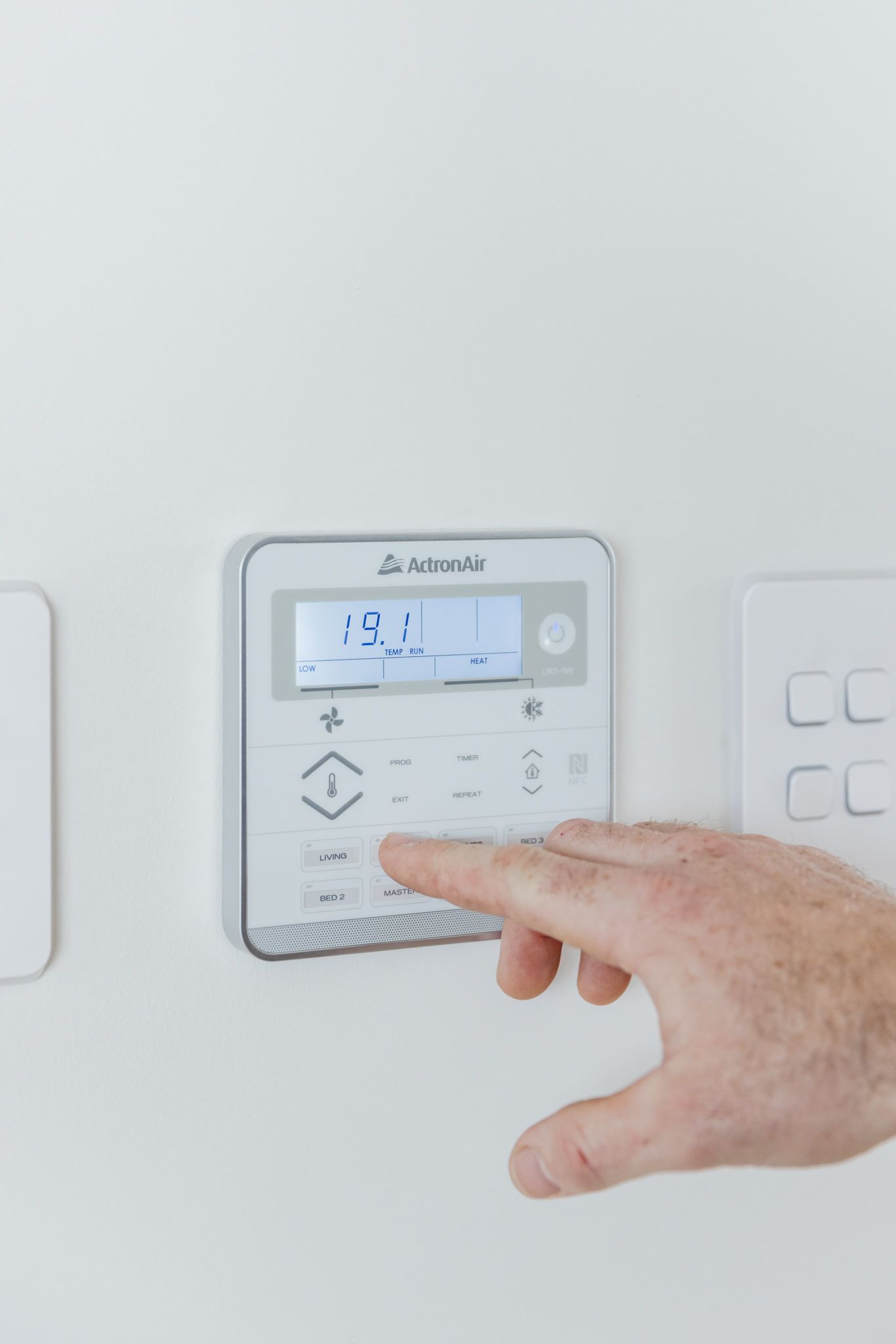
In both summer and winter, adjusting your thermostat can make a significant difference in energy consumption. Setting it to a very low or very high temperature can cause your system to overwork, leading to higher energy bills.
Tip: In winter, set your thermostat to 18-20°C and in summer, aim for around 24-25°C. Each degree you lower or raise the temperature can impact your energy usage by about 10%. Use a programmable thermostat to automatically adjust the temperature when you’re not at home or while you’re asleep.
3. Use Ceiling Fans to Improve Airflow
Ceiling fans help distribute cool or warm air more evenly throughout your home, allowing your heating or cooling system to work more efficiently. By using a fan in conjunction with your system, you can maintain comfort while reducing the load on your HVAC unit.
4. Seal Gaps and Insulate Your Home
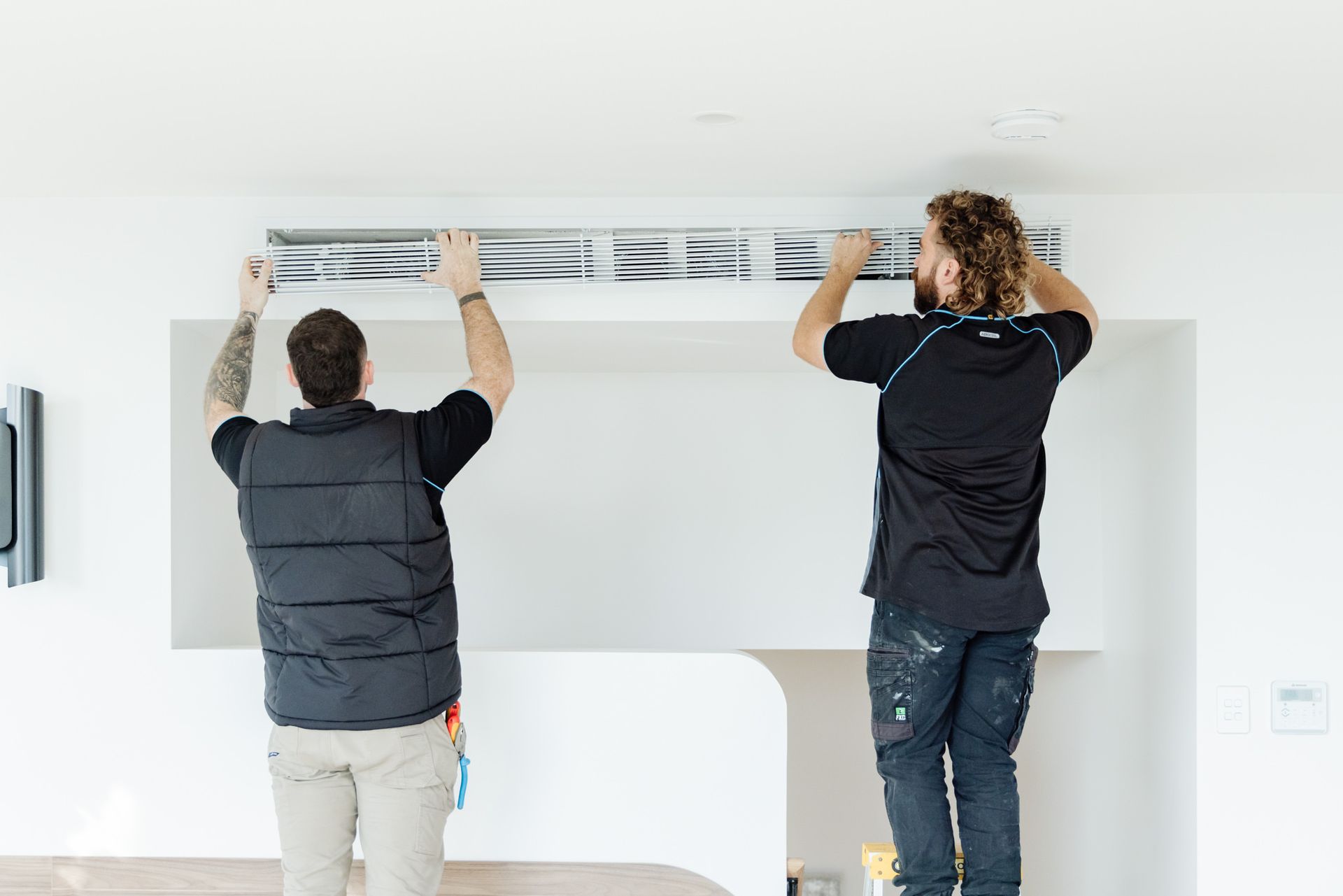
Proper insulation and sealing gaps in your home are crucial for energy efficiency, especially when it comes to maintaining indoor temperatures. If your home isn’t sealed properly, hot or cool air will escape, forcing your system to work overtime to maintain the desired temperature. Check for gaps around windows, doors, and ducts, and seal them with weather stripping or caulking. Adding insulation to your attic or walls can also help retain heat in winter and keep cool air inside during summer.
6. Schedule Regular Maintenance
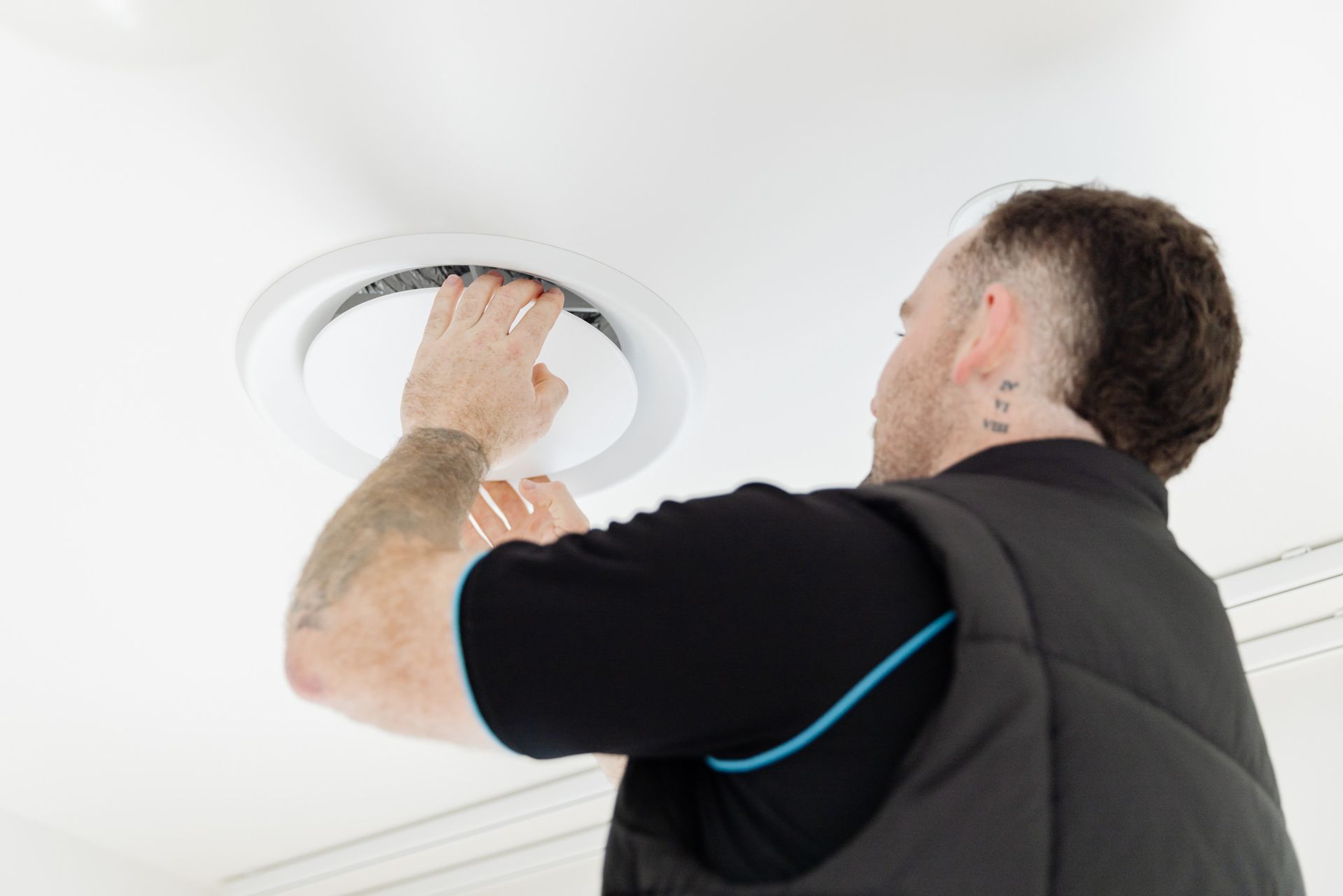
Regular maintenance is key to ensuring your heating and cooling systems run efficiently year-round. A professional technician can perform checks, clean essential parts, and address any potential issues before they become major problems.
Tip: Schedule a service at least once a year—preferably before the summer or winter season begins. Routine maintenance will help extend the lifespan of your system and improve its efficiency.
7. Upgrade to an Energy-Efficient System
Older heating and cooling systems can be inefficient, driving up your energy costs. If your system is over 10-15 years old, it may be time to consider upgrading to a newer, energy-efficient model. Modern units are designed to consume less energy while providing the same level of comfort. While an upgrade may require an initial investment, the savings on your energy bills can make it worthwhile in the long run.
8. Use a Programmable Thermostat for Better Control
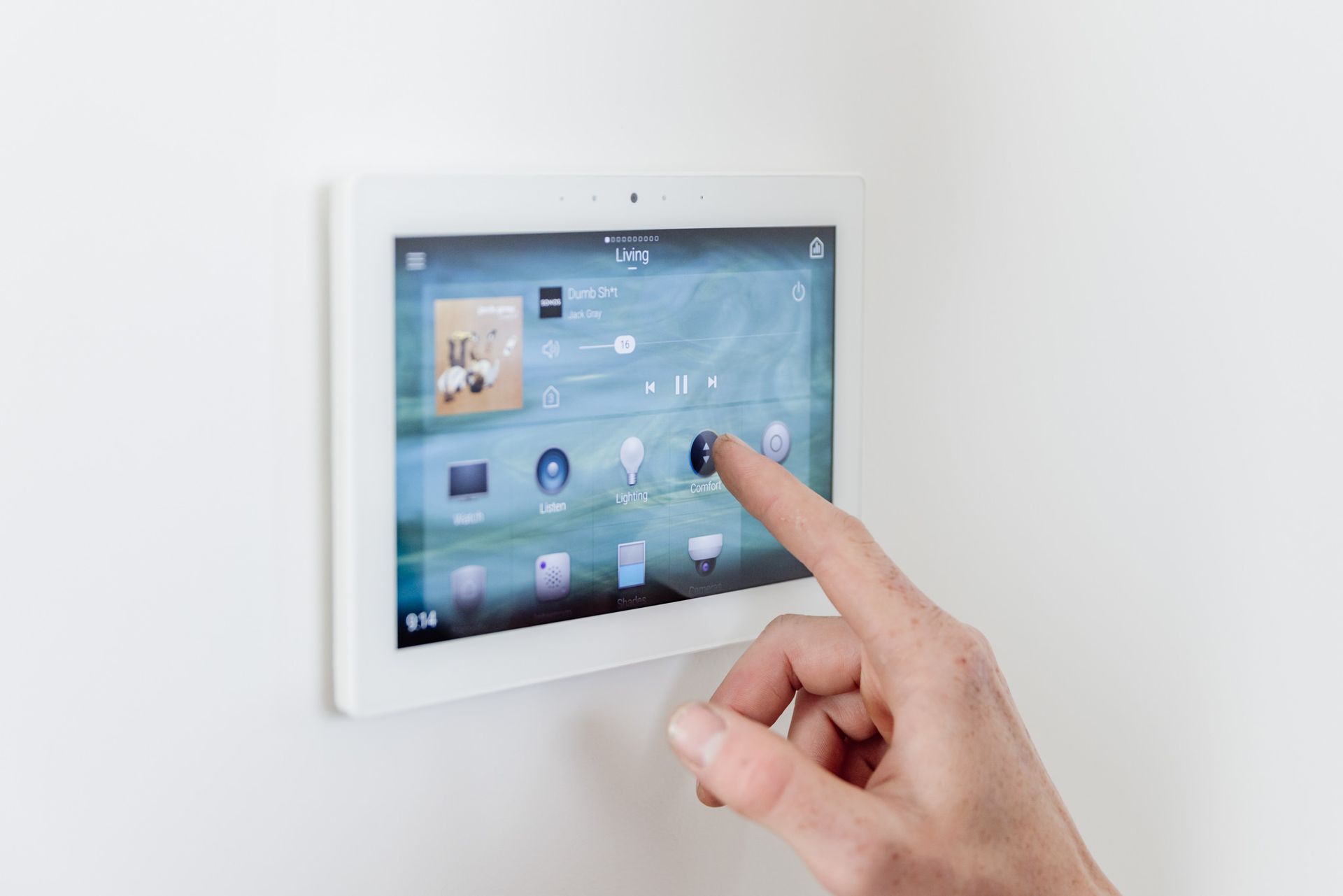
A programmable thermostat allows you to set specific temperatures for different times of day, so your heating or cooling system isn’t running unnecessarily when you're away from home or sleeping.
9. Clear Obstructions Around Outdoor Units
The outdoor unit of your heating or cooling system needs adequate space for proper airflow. If it’s obstructed by leaves, debris, or overgrown plants, the unit will struggle to operate efficiently, increasing energy consumption.
By implementing these simple tips, you can improve the efficiency of your heating and cooling system and reduce your energy bills. Regular maintenance, proper temperature settings, and efficient use of your system will ensure that your home stays comfortable all year long—without the high energy costs. Whether you’re heating your home in winter or cooling it in summer, these steps can help you save energy, money, and extend the life of your system.
How much does ducted air conditioning cost in Newcastle? See 2026 installation prices by home size, what drives quotes up, and NSW rebates. Local guide.
Comparing ducted and split system air conditioning in Newcastle? Learn the pros, cons, costs, and which option is best for your home and lifestyle.
Why Heating Costs Increase Inefficient systems Poor insulation Overuse of high temperature settings Lack of maintenance Simple Ways to Save Money 1. Adjust Your Thermostat Keep your temperature between 18–20°C for optimal efficiency. 2. Maintain Your System Regular servicing ensures your system runs efficiently. 3. Clean Filters Dirty filters reduce airflow and increase energy usage. 4. Use Zoning Only heat the rooms you’re using. 5. Upgrade Your System Newer systems are significantly more energy efficient. When to Consider an Upgrade If your system is: Over 10 years old Struggling to heat your home Increasing your energy bills …it may be time to upgrade. Stay Warm Without the High Costs Win Air offers energy efficient heating solutions designed to keep your home comfortable while reducing your energy bills. Speak with the Win Air team to find the most efficient heating solution for your home this winter.
Find out whether air conditioning increases property value in Newcastle. Learn how split systems and ducted air conditioning can improve buyer appeal and influence resale price.
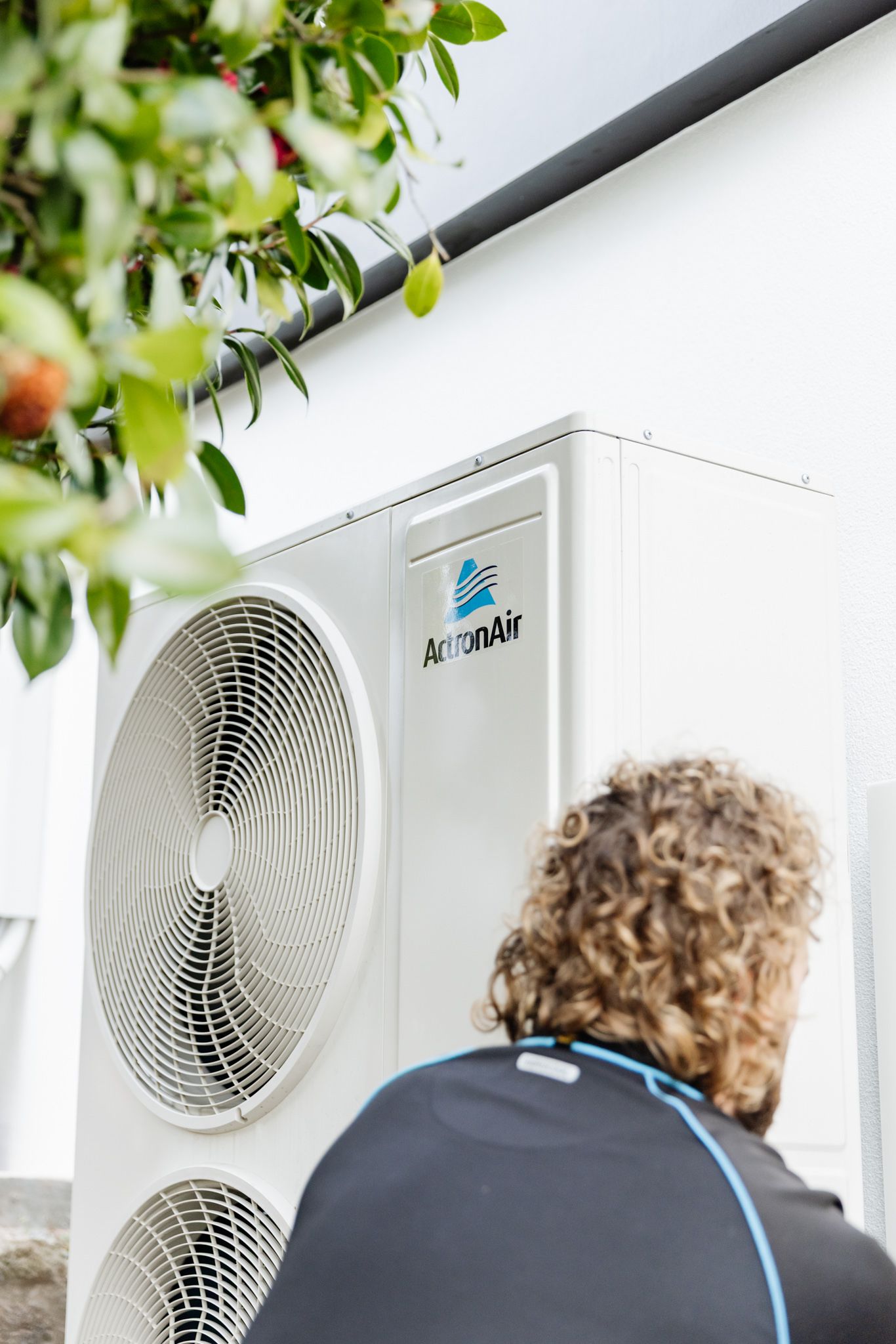
Lower your energy bills with expert air conditioning maintenance from Win Air and Electrical. Serving Newcastle & Lake Macquarie homes and offices, we keep your AC efficient and reliable all year.
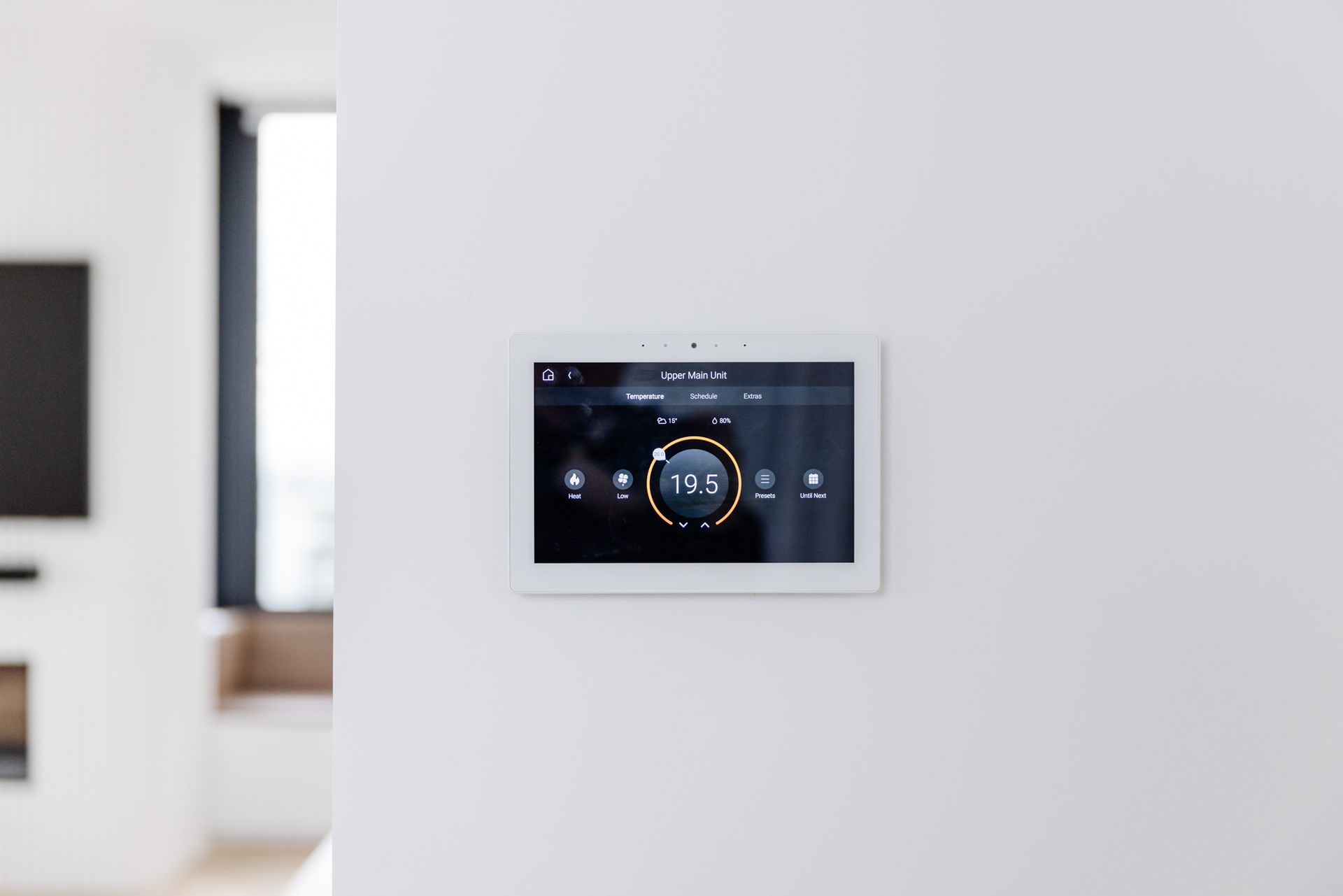
Beat the summer rush! Book your air conditioning service or new ducted install with Win Air & Electrical and stay cool all season long.
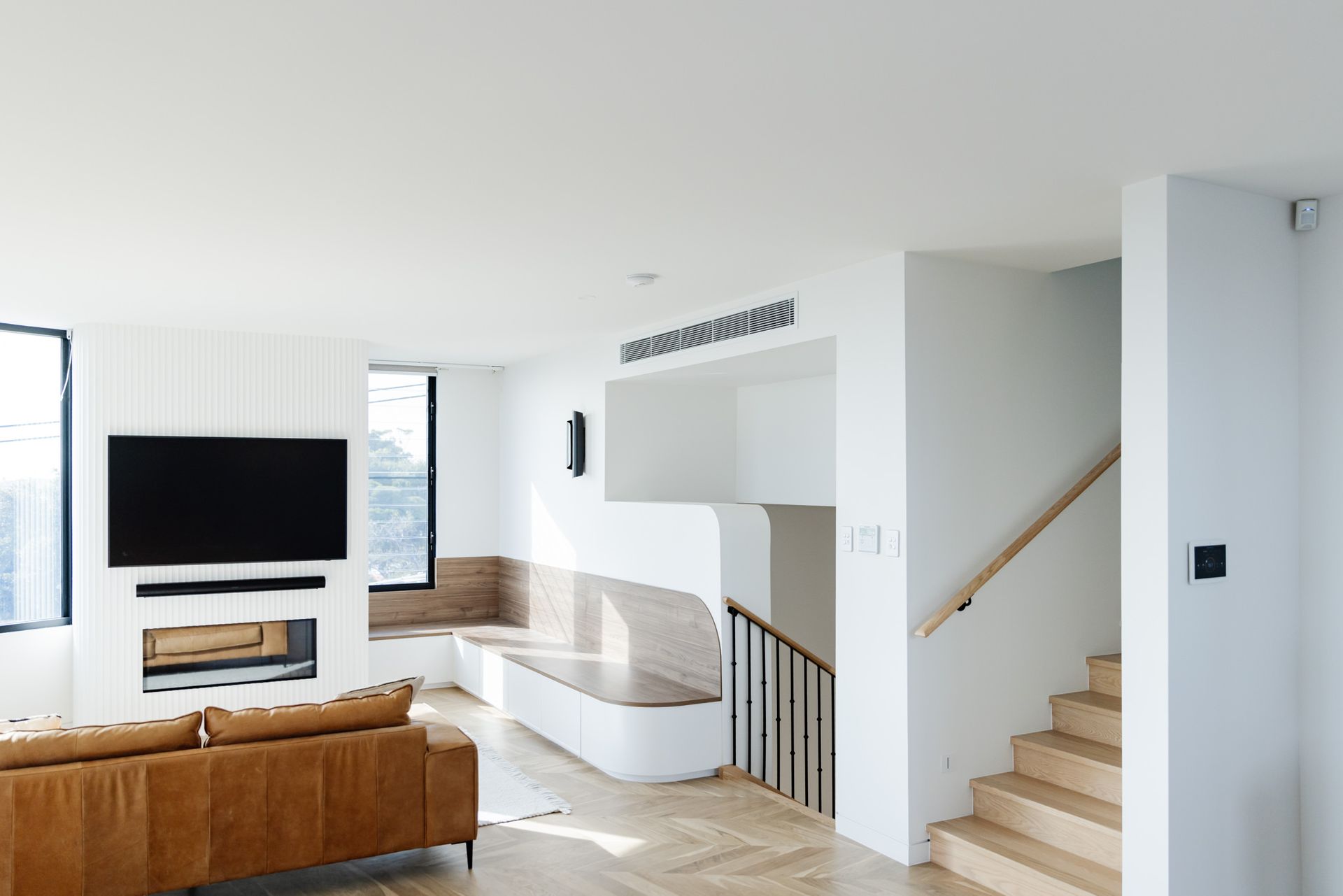
Discover how Win Air designed and constructed a multi-system ducted air conditioning solution for this architecturally designed smart home in Merewether. Seamless comfort meets smart control.
Is your air conditioning system struggling with musty smells or poor heating this rainy winter? Learn how damp weather affects your air con and why a seasonal service from Win Air is essential.
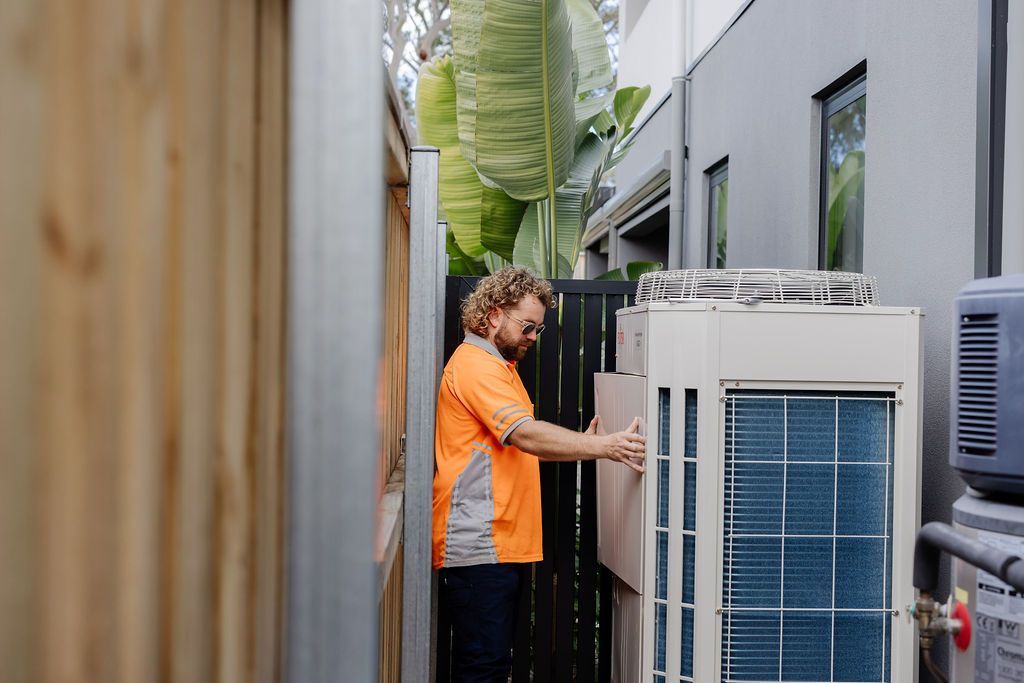
The best time to install or upgrade your air conditioning system is during autumn or spring — the off-peak seasons. These months offer better availability, faster service, potential savings, and ensure you're prepared before the summer heatwave arrives. Book your air conditioning installation with Win Air for a smooth and timely experience.
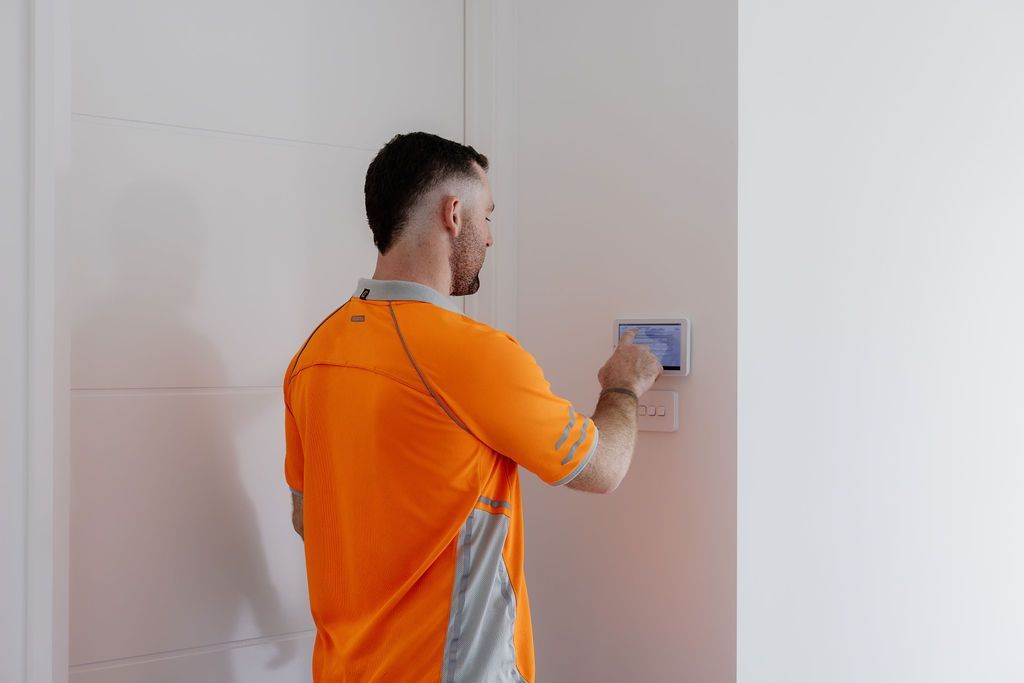
Get ahead of the cold season with these expert maintenance tips to ensure your air conditioner runs efficiently, keeps your home warm, and saves you money this winter.